

What is a Sensory Tent: Benefits, Real-Life Uses, and How to Choose the Right One
Table of Contents:
What Exactly Is a Sensory Tent?
Sensory Benefits of a Sensory Tent
How Families Use Sensory Tents in Daily Life
How to Choose the Right Sensory Tent
Introduction
If you're tired of your kids pulling every blanket and pillow off the couch to build a hideaway, it might be time for an upgrade. A sensory tent is the ultimate private retreat for autistic or sensory-seeking kids to block out the noise, regulate their emotions, and focus on calming sensory play. In this article, we’re sharing the real-life benefits of having a dedicated sensory space and how to actually use it. We'll also cover the must-have features to look for, and why the Outree Sensory Play Tent is a total game-changer whether you're at home or packing for a vacation.
1. What Exactly Is a Sensory Tent?
A sensory tent isn't just another playhouse that takes up space in your living room. Think of it more as a dedicated, pop-up "hideaway fort". While any kid would love one, they are incredibly effective tools for children with autism (ASD) or anyone who is "sensory seeking".
Unlike standard play tents, the best ones are designed to be "completely black out," meaning they block out the sun and create a dark, soothing environment. They "pop right up and fold down very easily," making them a practical, portable space you can move around the house or even pack away in a storage bag.
2. Sensory Benefits of a Sensory Tent
The Visual Escape
Ever notice how fast bright lights and a chaotic room can send a sensory-sensitive kid into overdrive? When that happens, they need an immediate escape.
That's where these tents are absolute lifesavers. Many of them are "completely black out," which means they instantly cut off the overwhelming outside world. This sudden darkness signals the brain that it's finally safe to drop its guard and relax. But here's the fun part: it doesn’t have to stay pitch black! You can string up "beautiful lights" or stick "glow-in-the-dark stars and planets" inside. The secret here is control. Letting them choose their own lighting is incredibly soothing, and a huge relief from harsh overhead lights.

Managing the Meltdowns
Let’s be real about meltdowns for a second. They happen, and as we all know, they often involve a whole lot of crying and sweating.
The tent gives them a "dark and private place" to ride out those big, scary feelings. It keeps them tucked safely away from everyone else’s eyes. For a child who is already overloaded, that small, enclosed physical boundary feels incredibly secure and naturally dials down the anxiety.
Mom hack: If your little one runs hot when they are overwhelmed, run a "small but strong fan" inside the tent. Keeping an "insulated lunch bag" with ice packs nearby is another amazing trick to help them physically cool down when emotions run high.
A Zero-Distraction Sensory Hub
Beyond just calming down, the tent is a pure sensory sandbox. Zero external distractions. Just a dedicated space to feel and process.
You can load the floor with "really soft blankets," "sensory balls," or "lots of squishy pillows". Tucked inside, they can focus entirely on that comforting tactile feedback. You also get to manage the sound! While it isn't totally soundproof, the tent beautifully muffles the chaotic noise of the house. Play some "calming music, nature sounds," or just let that fan run to create the perfect white noise. It relaxes the auditory nerves instantly.

3. How Families Use Sensory Tents in Daily Life
Honestly, a sensory tent is so much more than just a toy. It’s a literal lifesaver that solves so many daily parenting and home organization struggles. Here are a few real-world ways to use it that will definitely give you some inspiration:
Scenario 1: The Gentle Emotional "First-Aid Station"
When your kid is on the verge of a tantrum, or completely overstimulated by a noisy house, fighting them on it rarely works. That’s when the tent becomes your built-in "calming corner". It’s not a timeout spot; it’s a dedicated space for self-regulation.
When they are having a full meltdown—complete with crying and sweating—guide them into this "dark and private place". Zip it up to block out the stares and the noise. Toss in some of their favorite sensory toys, and you'll be amazed at how much faster they can self-soothe within those safe physical boundaries.
Scenario 2: An Immersive Homeschooling & Reading Nook
If you are homeschooling your kids, doing early learning activities, or just trying to enjoy some quiet shared reading, you know the living room sofa or a regular desk can be full of distractions.
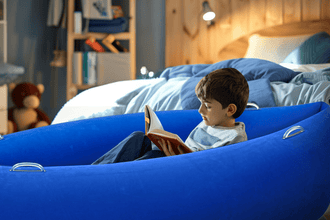
Turn the tent into a zero-distraction learning pod! Because it blocks out visual clutter, their focus skyrockets. You can cozy up inside for some quiet "story time", or they can just read independently. If you want to work on their observation skills, you can even hide small objects inside to play a "treasure hunt".

Scenario 3: The Aesthetic-Saving "Instant Fort"
Kids have a natural urge to build nests. But let's be real, watching them pull "blankets and pillows out from all over the house to make forts" drives those of us who care about our home decor absolutely crazy.
This tent is the ultimate compromise. It functions as an instant "hideaway fort". Throw a sleeping bag in there, and they can comfortably lay down and "play video games" in their own little world. It satisfies their need for privacy while keeping your living room couch looking pristine.
Scenario 4: A "Mobile Bedroom" On the Go
Don’t forget, these tents "pop right up and fold down very easily," making them an incredible portable space.
Taking it along on vacation gives your child a huge sense of security in an unfamiliar environment. Or, as one parent shared, if you are out late (like staying at the library until midnight), popping up the tent gives your kid a dark, cozy place to sleep right there. In fact, a lot of kids love it so much they regularly "sleep in it overnight" right at home.
4. How to Choose the Right Sensory Tent
Durability & Easy Cleaning
Choose a tent that’s durable, easy to wipe clean, and reinforced with strong stitching to handle active kids.
True Blackout Performance
Not all tents are equally dark. A proper blackout design is key to achieving sensory regulation benefits.
Temperature Management
Blackout tents can feel warm inside. Many parents use a small fan to improve airflow and add gentle white noise.
Size
Options range from compact corner models to larger tents that can fit multiple children. Some spacious designs can comfortably fit several kids—and even adults.
Portability
Look for lightweight construction and an included storage bag so you can bring it on trips or move it easily around your home.
Based on these criteria, the Outree Sensory Play Tent is a highly worthwhile option to consider:
1.Built with sturdy poles, reinforced stitching, and wipe-clean fabric to effortlessly withstand active, daily play.
2.perfect sensory light regulation:Cleverly designed windows let you easily switch from a cozy, semi-dark reading nook to a 100% blackout environment
3.Large capacity:It comfortably fits up to 3 adults or 4 kids, making it ideal for shared parent-child co-regulation.

4.Lightweight and quick to pop up. It comes with a handy storage bag so you can easily move it room-to-room or pack it for vacation.
Conclusion
A sensory tent is so much more than a toy—it's a tool for "wonderful sensory soothing". Seeing how much it helps might even inspire you to finally "clean out the doom pile closet to make room" for one. It's a simple, effective way to support your child's sensory needs while giving them a fun, private retreat they’ll genuinely love.
If you’re looking for a durable, portable, and true blackout option, the Outree Sensory Tent is worth exploring.
✨ Ready for sensory fun? Explore the Outree Sensory Tent now!

If your child is a sensory seeker, you've likely seen the pea pod chair. But is it just an expensive air balloon o...

Learn how bubble tubes create a visual anchor to calm anxiety, improve focus, and provide gentle stimulation. This...